
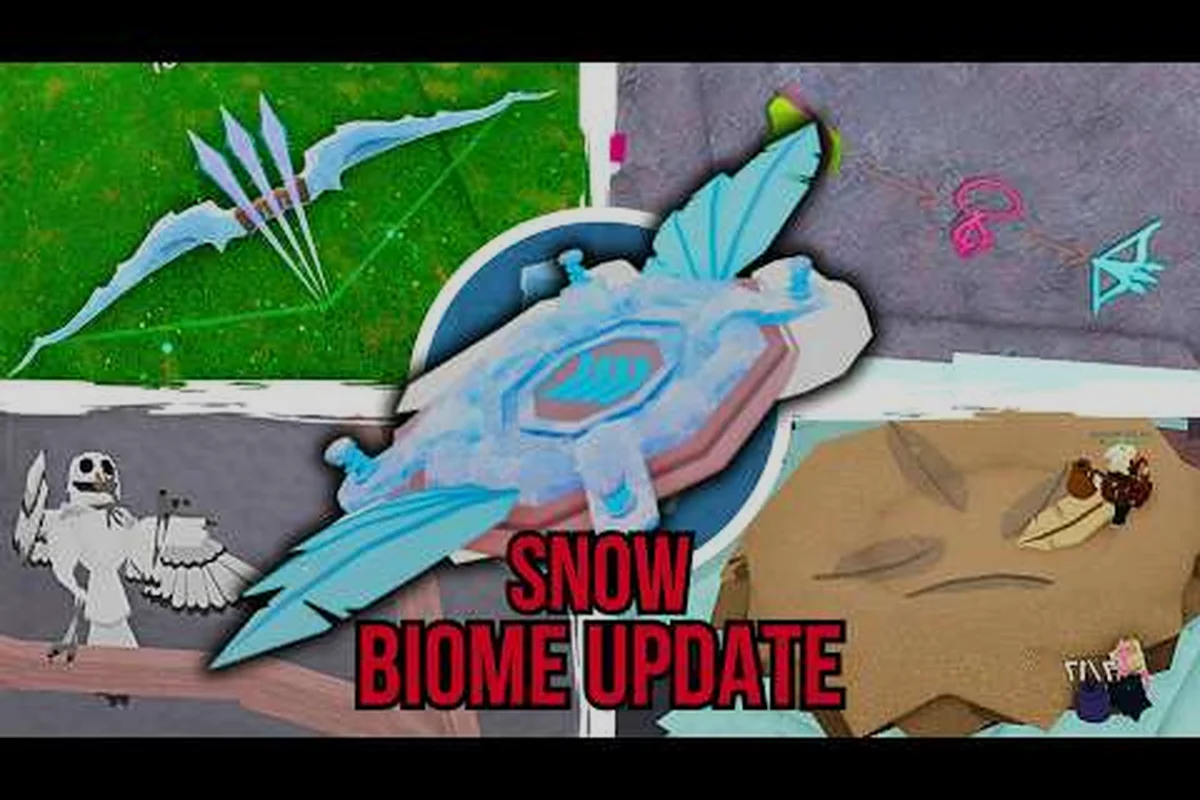
Surviving 99 Nights in the Forest means learning how each region reshapes your camp strategy, resource routes, and escape timing. The forest, snow, and volcanic zones do not simply change the scenery — they alter enemy behavior, loot density, and the tools you need to stay alive. This guide breaks down 99 Nights in the Forest all biomes so you can pick the right spawn point and stop losing runs to terrain you never studied.
According to a PC Gamer guide, the biome rotation in 99 nights in the forest all biomes follows a fixed nightly cycle, so tracking which biome appears on a given night is key to planning resource runs.
Understanding the Core Biome System
Every run in 99 Nights in the Forest places your camp inside one of three primary regions: the Forest Biome, the Snow Biome, and the Volcanic Biome. These regions are not cosmetic reskins. Each one changes the temperature mechanic, the resource spawn table, and the monster patrol density that determines how often you get forced out of your base at night. According to community data collected across the October 2026 patch cycle, players who learn the biome-specific spawn rules survive an average of 17 more nights than players who treat every map as the same forest.
The biome you load into is tied to your camp placement seed, which means you cannot freely switch regions mid-run without resetting your save. That makes early biome recognition a core survival skill. The game's official Roblox page confirms that the developer, Grandma's Favorite Games, has been tuning biome balance in bi-weekly updates since the March 2025 launch, with the snow biome update being one of the most requested changes in the community subreddit.
| Biome | Temperature Risk | Resource Density | Monster Patrols | Best Starting Class |
|---|---|---|---|---|
| Forest | Low | Medium | Low | Scout |
| Snow | High | Low | Medium | Tracker |
| Volcanic | Extreme | High | High | Brute |
The table above reflects the general consensus from player reports, but exact values shift with each patch. What stays consistent is the risk-reward curve: the forest is forgiving but offers fewer rare materials, while the volcanic biome rewards aggressive players with obsidian shards and magma cores at the cost of constant health pressure.
How Biome Rotation Works
Biome rotation in 99 Nights in the Forest does not happen automatically. You choose your biome by selecting a camp marker on the world map before the first night begins. The forest biome is always available as the default option, while the snow and volcanic regions unlock after you reach specific survival milestones or complete certain badge objectives. Players who want to skip the unlock grind can join a friend's lobby that already has the biome active.
The rotation system matters because your class loadout and crafting priorities should change based on where you plan to spawn. A Scout class thrives in the forest where movement speed and early resource scanning give you a head start. The same Scout struggles in the volcanic biome where lava pools block common escape routes and the Ram patrols punish low-health builds.
Forest Biome: The Default Survival Zone
The forest biome is where most players spend their first ten runs, and for good reason. It offers the most balanced resource distribution in the game, with wood, stone, and fiber all available within a short walk of any camp placement. The temperature mechanic is almost negligible here, which means you can focus on learning enemy attack patterns without also managing frostbite or heat exhaustion.
What makes the forest biome interesting is its hidden depth. The dense tree cover creates natural chokepoints that experienced players use to funnel Deer spawns into predictable kill zones. The forest edge — the boundary where trees thin out into open ground — is one of the most contested areas on the map because it offers both high visibility and fast access to the saw mill landmark.
| Forest Resource | Best Gathering Spot | Used For | Rarity Tier |
|---|---|---|---|
| Hardwood | Dense tree clusters | Base walls, barricades | Common |
| Fiber | Riverbank shrubs | Bandages, rope | Common |
| Herbs | Forest floor clearings | Healing salves | Uncommon |
| Deer Antler | Deer kill zones | Weapon upgrades | Rare |
The forest biome is also the best place to learn campfire management, a mechanic that carries over to every other region. Because the forest has the lowest temperature drain, you can experiment with different fuel types and cooking recipes without risking a game-over from exposure. Many players report that mastering the forest's campfire timing makes the snow biome significantly easier on later runs.
Forest Camp Placement Priorities
Where you place your camp in the forest biome determines how many nights you can survive before the Deer finds you. The best placements sit near two or more resource nodes while keeping at least one escape route clear of trees. Avoid building directly against the forest edge, because that open ground gives the Deer a straight sprint path into your barricades.
A common mistake is placing your camp too close to the saw mill. The saw mill has excellent loot, but it also acts as a monster magnet during the late-night hours. Community reports suggest that camps within 50 meters of the saw mill get raided twice as often as camps placed near the riverbank. If you want the saw mill's resources, make a dedicated loot run during the day and retreat to a safer camp location before nightfall.
Snow Biome: Cold, Resources, and the Update That Changed It
The snow biome is the most punishing region for new players, largely because it introduces the frostbite meter on top of the standard survival mechanics. When the meter fills, your movement speed drops by 30% and your stamina regeneration slows to a crawl. The snow biome update that rolled out in late 2026 added thermal clothing as a craftable item, which was a direct response to community complaints about the region being nearly unplayable without specific class abilities.
Finding the snow biome is a common early-game question. The 99 nights in the forest where is the snow biome search trend exists because the region is not visible on the default map until you complete the Forest Wakes Up objective. Once unlocked, the snow biome appears as a blue-tinted camp marker on the northern edge of the world map. Players who want a detailed breakdown of the unlock requirements can check the snow biome spawn guide for exact steps and map coordinates.
| Snow Biome Hazard | Effect | Counter Item | Crafting Cost |
|---|---|---|---|
| Frostbite | -30% move speed, slow stamina regen | Thermal clothing | 4 fur, 2 fiber |
| Deep snow drifts | -15% move speed | Snowshoes | 3 wood, 2 rope |
| Ice patches | Sliding, fall damage | Crampons | 2 iron, 1 leather |
| Whiteout storms | Zero visibility for 60s | Storm lantern | 1 oil, 1 glass |
The snow biome compensates for its harsh conditions with exclusive resources that cannot be found anywhere else. Frozen herbs are the key ingredient in the best healing items in the game, while ice crystals are required for high-tier weapon enchantments. The snow biome update also introduced frozen caches — buried loot containers that appear only during whiteout storms and contain rare crafting blueprints.
Surviving the First Three Nights in Snow
Your first three nights in the snow biome are the most dangerous because you will not have the thermal clothing crafted yet. The priority order is simple: gather four fur from snow wolves, collect two fiber from frozen shrubs, and craft the thermal set before the second night ends. Without thermal clothing, the frostbite meter fills in approximately 90 seconds of outdoor exposure, which makes any extended resource run a death sentence.
The campfire works differently in the snow biome. It burns 40% faster than in the forest, which means you need to stockpile twice as much wood for the same amount of warmth. Players who underestimate this fuel drain often freeze to death on night three or four, even with thermal clothing equipped. The volcano zones guide covers a similar temperature management system, but the snow biome punishes mistakes faster.
Volcanic Biome: High Risk, High Reward
The volcanic biome is the endgame region for players who have already mastered the forest and snow zones. It introduces the heat exhaustion meter, which is the inverse of the snow biome's frostbite system. When the meter fills, your character takes damage over time and your attack speed drops by 20%. The volcanic biome also features the highest monster patrol density in the game, with Ram spawns appearing as early as night two.
What makes the volcanic biome worth the risk is its resource density. Obsidian shards, magma cores, and volcanic glass are all available in large quantities, and these materials are required for the best weapons and armor in the game. The volcano biome also has the highest rare loot drop rate of any region, with community data suggesting a 2.5x multiplier on legendary item drops compared to the forest.
| Volcanic Resource | Primary Use | Best Gathering Method | Danger Level |
|---|---|---|---|
| Obsidian shards | Weapon upgrades | Mine from obsidian nodes | High |
| Magma cores | Armor enchantments | Defeat lava golems | Extreme |
| Volcanic glass | Base reinforcement | Harvest from glass formations | Medium |
| Sulfur | Explosive crafting | Collect from vents | High |
The volcanic biome is also home to the Infernal Ram, a boss-tier monster that drops the Ram Horn material used in the game's most powerful weapon recipe. Fighting the Infernal Ram requires heat-resistant armor and a cooling potion, both of which require materials from the snow biome. This cross-biome dependency is a deliberate design choice that forces players to master all three regions rather than farming a single zone.
Heat Management and Lava Navigation
Heat management in the volcanic biome is a constant juggling act. The heat exhaustion meter fills faster when you stand near lava pools or sulfur vents, but those same areas contain the best resources. The solution is to craft cooling potions from frozen herbs imported from the snow biome, which reset the heat meter and grant 90 seconds of heat immunity.
Navigating the volcanic biome requires learning the lava flow patterns. Unlike the snow biome's static ice patches, the volcanic region has active lava streams that shift position every few minutes. Players who memorize the lava zone map can use these streams to trap monsters, but a single misstep means instant death. The where is the volcano guide explains the unlock requirements and the safest route to the volcanic camp marker.
Biome Comparison: Which One Fits Your Playstyle
Choosing the right biome depends on your class, your experience level, and your run goal. A player farming for rare materials should head to the volcanic biome as soon as they have the gear to survive it. A player focused on consistent survival should stick to the forest biome until they have mastered the core mechanics. The snow biome sits in the middle — it is harder than the forest but offers better rewards without the extreme danger of the volcanic zone.
The table below summarizes the key differences across all three biomes based on community testing data from the October 2026 patch. These values are approximate and may shift with future updates, but the relative rankings have remained stable across multiple patches.
| Factor | Forest Biome | Snow Biome | Volcanic Biome |
|---|---|---|---|
| Difficulty | Beginner | Intermediate | Advanced |
| Best for | Learning mechanics | Rare healing mats | Legendary gear |
| Temperature risk | Low | High (frostbite) | Extreme (heat) |
| Monster density | Low | Medium | High |
| Resource density | Medium | Low | High |
| Recommended class | Scout | Tracker | Brute |
| Average survival nights | 40+ | 25+ | 15+ |
The average survival nights column is based on player reports from the community subreddit and may vary significantly based on individual skill. What the data consistently shows is that the forest biome is the most forgiving for new players, while the volcanic biome demands mastery of every survival mechanic before you even think about spawning there.
Which Biome Should You Start With
If you are new to 99 Nights in the Forest, start with the forest biome and do not rush to unlock the other regions. The forest teaches you campfire management, resource routing, and monster kiting without punishing every small mistake. Once you can consistently survive 30 nights in the forest, move to the snow biome to learn temperature management and fuel efficiency.
The volcanic biome should be your final destination. By the time you unlock it, you should have thermal clothing from the snow biome, healing salves from the forest, and a solid understanding of monster patrol patterns. Players who skip this progression order often burn out quickly because the volcanic biome's heat exhaustion and lava hazards leave no room for learning on the fly.
Frequently Asked Questions
Where is the snow biome in 99 Nights in the Forest?
The snow biome appears as a blue-tinted camp marker on the northern edge of the world map after you complete the Forest Wakes Up objective. You cannot see or select the snow biome before this unlock, which is why many new players ask where to find it.
What did the snow biome update change?
The snow biome update added thermal clothing as a craftable item, introduced frozen caches that appear during whiteout storms, and reduced the frostbite meter's fill rate by 15% to make the region more accessible. The update also added snowshoes and crampons for better movement.
Is the volcanic biome worth the risk?
Yes, for players farming legendary gear and endgame materials. The volcanic biome has a 2.5x multiplier on rare loot drops and exclusive resources like obsidian shards and magma cores, but the heat exhaustion meter and lava pools make it the hardest region to survive.
Which biome is best for beginners?
The forest biome is the best starting point because it has the lowest temperature risk, balanced resource distribution, and the most forgiving monster patrol density. New players should aim to survive 30 nights in the forest before attempting the snow or volcanic regions.
Can I switch biomes mid-run?
No, your biome is locked to your camp placement seed at the start of each run. You can only switch biomes by resetting your save or joining a friend's lobby that has a different biome active. This makes early biome selection a critical strategic decision.