
Guides
99 Nights in the Forest guides — beginner day-one priorities, campfire feeding, base building, night survival strategies, Pelt Trader trades and late-game tips for all 99 nights.
Introduction
The Guides hub is where you learn to survive the forest instead of just surviving it. Every run in 99 Nights in the Forest follows the same opening loop — cut wood, feed the campfire, loot nearby buildings, then survive the dark — but the decisions you make in those first minutes decide whether you reach night ten or night ninety-nine. This page collects the step-by-step walkthroughs, base-building plans, trade routes and night strategies the community has proven across thousands of runs. Whether you are learning the day-one checklist, planning a solo or group playthrough, or pushing toward the late-game hundred-night mark, the guides here turn trial-and-error into a repeatable game plan.
Guide Categories at a Glance
| Guide Type | Best For | Key Skill |
|---|---|---|
| Beginner & Day-One | New players learning the opening loop | Prioritizing wood, fire and loot |
| Base Building | Players who keep dying to raids | Tree-wall defense and station layout |
| Night Survival | Everyone past night five | Owl dodging and fire management |
| Pelt Trader Trades | Players chasing good items cheap | Rabbit's Foot and early trading |
| Late-Game & Solo | 100-night completionists | Resource banking and biome rotation |
Survival Loop Cards
Day-One Checklist
The opening priorities that set up a long run.
First Night Strategy
What changes when the sun goes down and how to survive the early dark.
Base Building Plan
A simple layout that blocks raids and keeps every system close.
Late-Game & Solo
Pushing past night seventy as a lone survivor — banking, pacing and biome flexibility.
Group Play Plan
Dividing labor so a coordinated party out-progresses five solo players.
Core Mechanics
The core loop is a survival clock: your campfire burns down, the nights get longer and meaner, and every resource you gather feeds one of three systems — fire, base and progression. Wood feeds the fire and the build grid; loot from cabins and chests feeds your inventory and early trades; crafting stations convert raw materials into better tools, food and defenses. The Pelt Trader arrives early and lets you convert items like the Rabbit's Foot into upgrades such as the Good Axe, while replanting saplings creates a living wall that slows Cultist raids. Understanding which loop to prioritize each day — fire first, then base, then loot — is the difference between dying at night three and thriving into the deep nights.
Advantages
Following a proven guide shortens your learning curve dramatically. Instead of discovering through death that the fire needs wood before sunset, you start the run with a checklist: feed the campfire, grab fuel from the nearest cabin, open chests before the Pelt Trader arrives, and trade the Rabbit's Foot for the Good Axe. Guides also preserve hidden knowledge — the secret chainsaw location, taming flute upgrades and storm-safe base layouts are rarely discoverable by accident. For group play, a shared plan divides labor so one player farms wood while another builds walls and a third guards loot, which multiplies progress and keeps everyone alive.
Challenges
The main weakness is over-planning: guides assume a readable map and a calm starting zone, but the forest can spawn you near the treeline where The Deer patrols and the snow biome can replace the familiar forest without warning. Following a guide rigidly can also waste time — the exact wood count or trade route may differ between patches, and the game's biome rotation means a build that is perfect in the forest may be nonsense in the volcanic zone. Community advice also evolves fast; a guide written before the Biome Refresher may recommend base layouts that no longer match the current rotation.
Frequently Asked Questions
What should I do on day one?+
How do I survive the first night?+
Is the game better solo or with a group?+
Quick Tips
Always feed the campfire before you loot. The fire is your only guaranteed safe zone, and the night countdown starts at spawn. A single log in the fire when darkness falls is worth more than an entire chest of loot you will lose to the entities if the light goes out.
Craft the map, compass and sundial as early as you can. Getting lost at night is the most common cause of early death, and these three cheap crafts turn a confusing dark forest into a navigable grid. Three wood for a map is the best currency trade in the first few days.
Replant saplings the moment you have extras. A ring of mature trees around your camp does double duty: it blocks Cultist raids and gives you an on-demand wood buffer. Trees never run out in the same way a fuel stockpile does, so treat them as living infrastructure. Trees never run out in the same way a fuel stockpile does, so treat them as living infrastructure that pays for itself every single night from the moment the first ring matures.
Featured
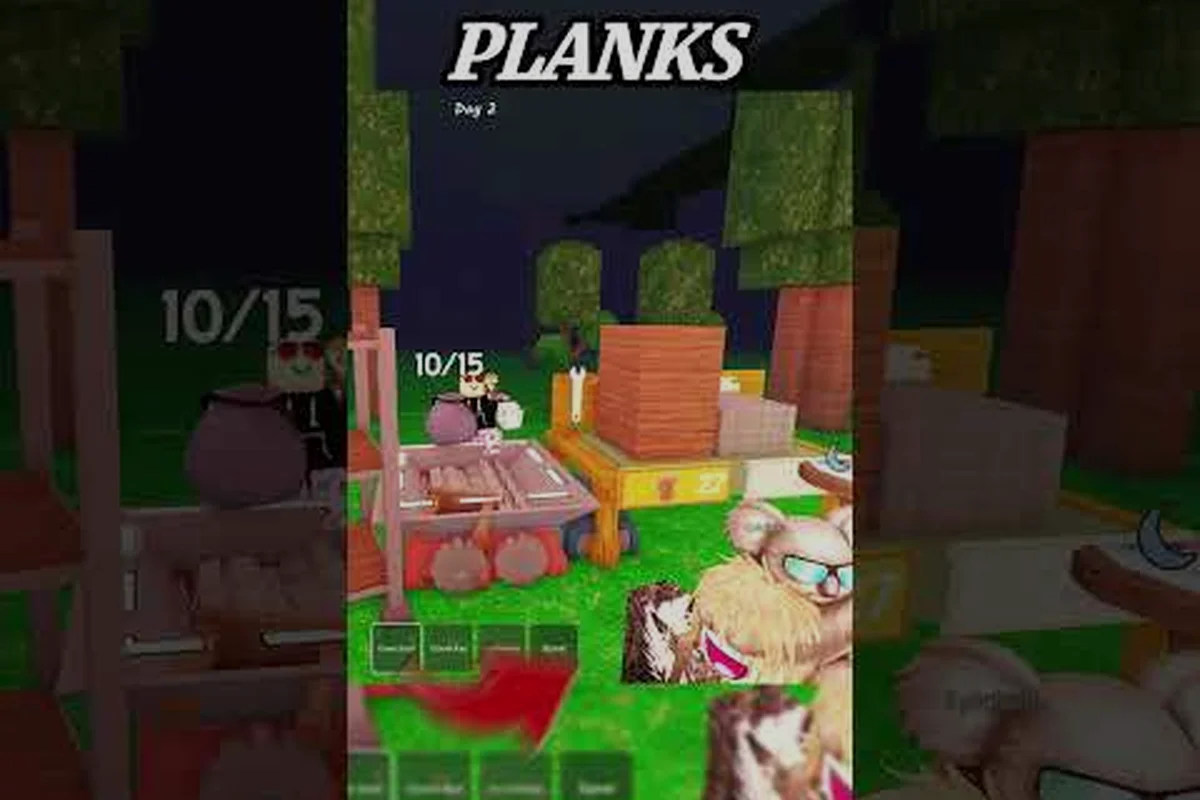
99 Nights in the Forest Tips for Beginners: Pro Map Tricks
Level up fast with 99 Nights in the Forest tips for beginners — pro map reading, Compass and Sundial usage, and field-tested survival tricks for new players.
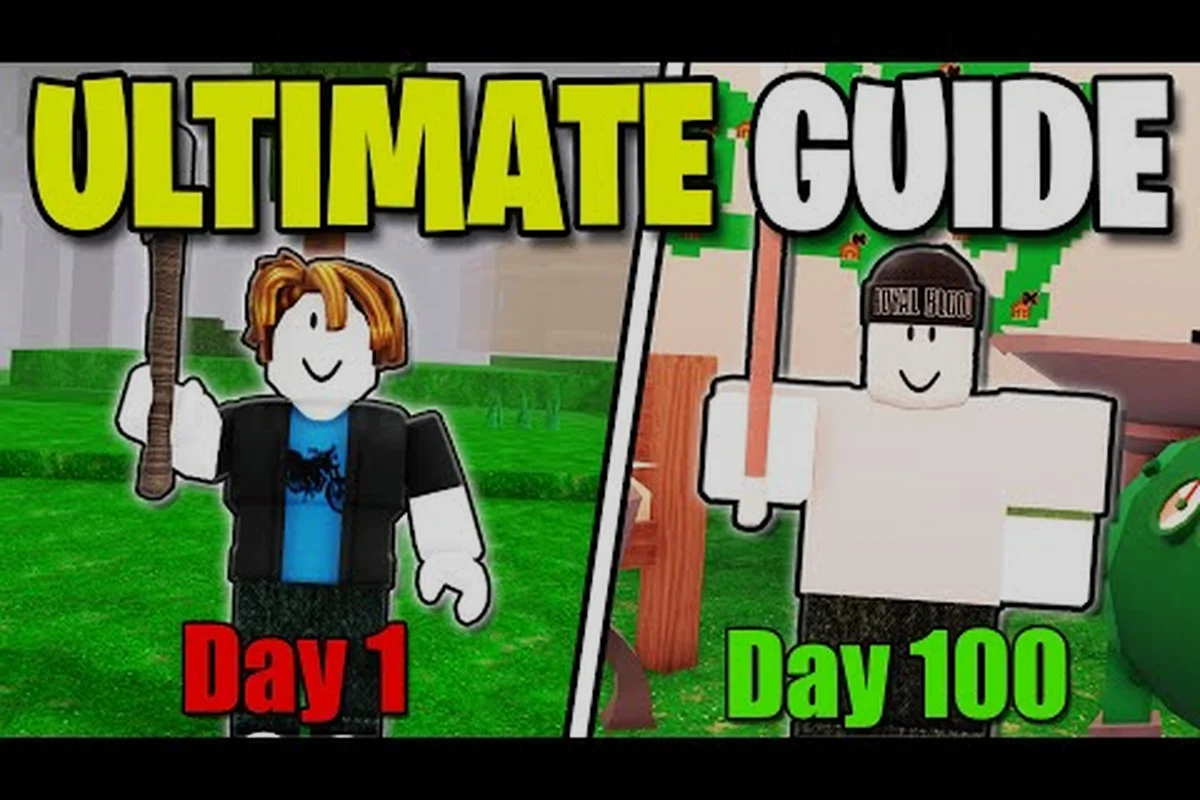
99 Nights in the Forest Beginner Guide: Survive and Build
Start your first run in 99 Nights in the Forest with confidence — learn base building basics, how to survive The Deer, and which class to pick first.
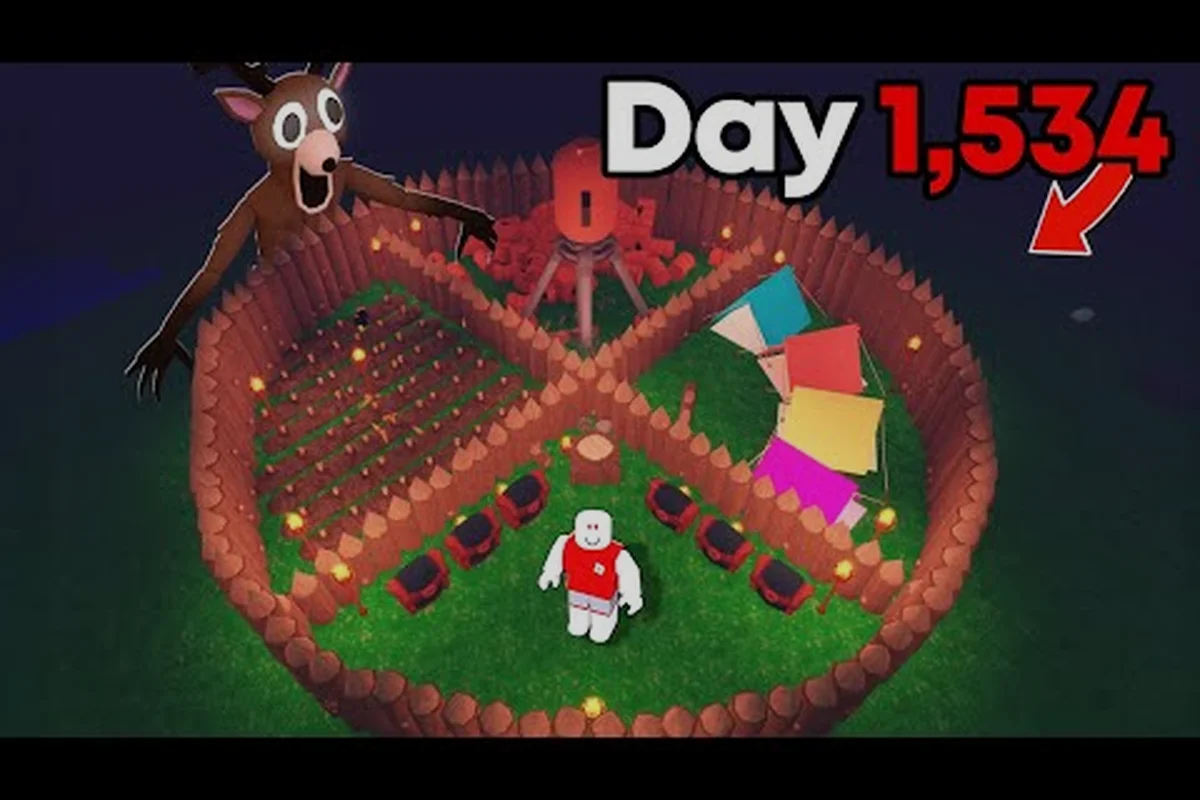
99 Nights in the Forest Best Base Location for Day 1
Find the 99 Nights in the Forest best base location and set up a camp that holds against The Deer and midnight threats from the first night.
All Articles
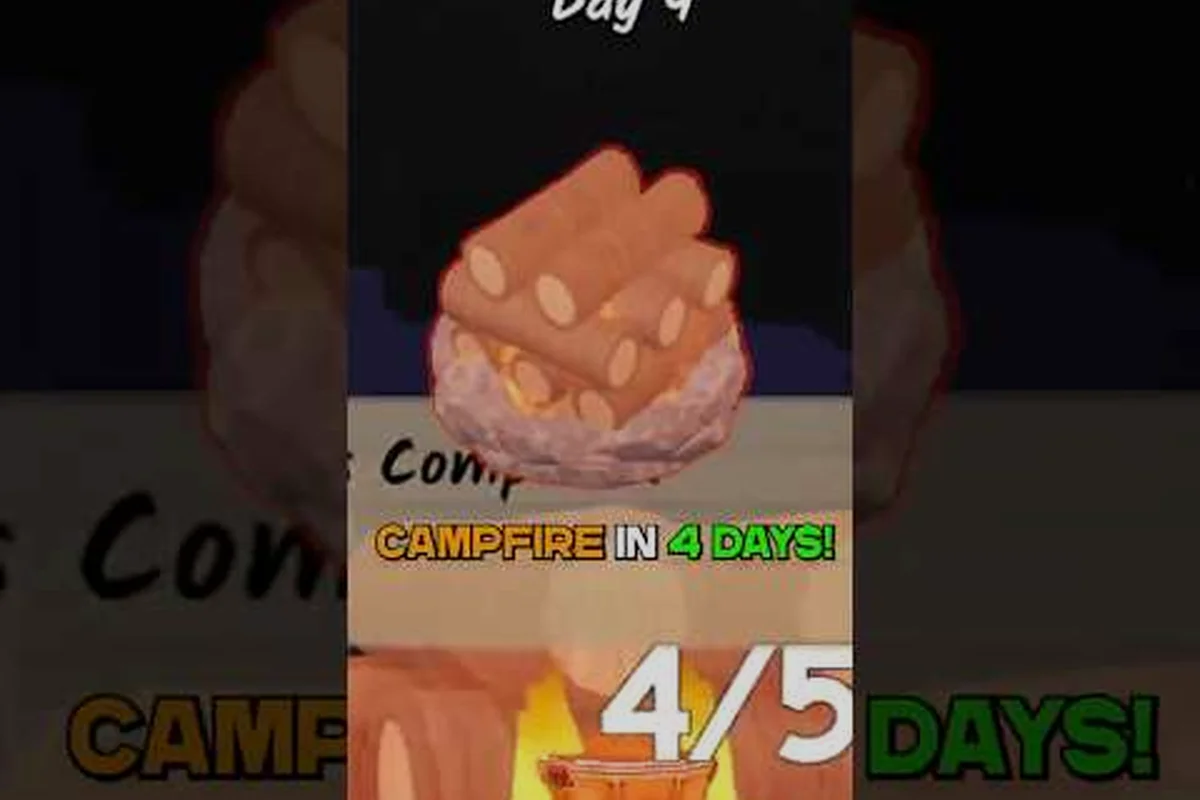
99 Nights in the Forest Campfire Guide: Keep It Burning
Master the 99 Nights in the Forest campfire with tips on fuel, placement, and defenses so your camp survives every wave of forest horrors.

99 Nights in the Forest Coop Guide: Play With Friends
Team up in 99 Nights in the Forest with this coop guide covering how to play with friends, trade pelts with the Pelt Trader, and farm Rabbit Foot faster.
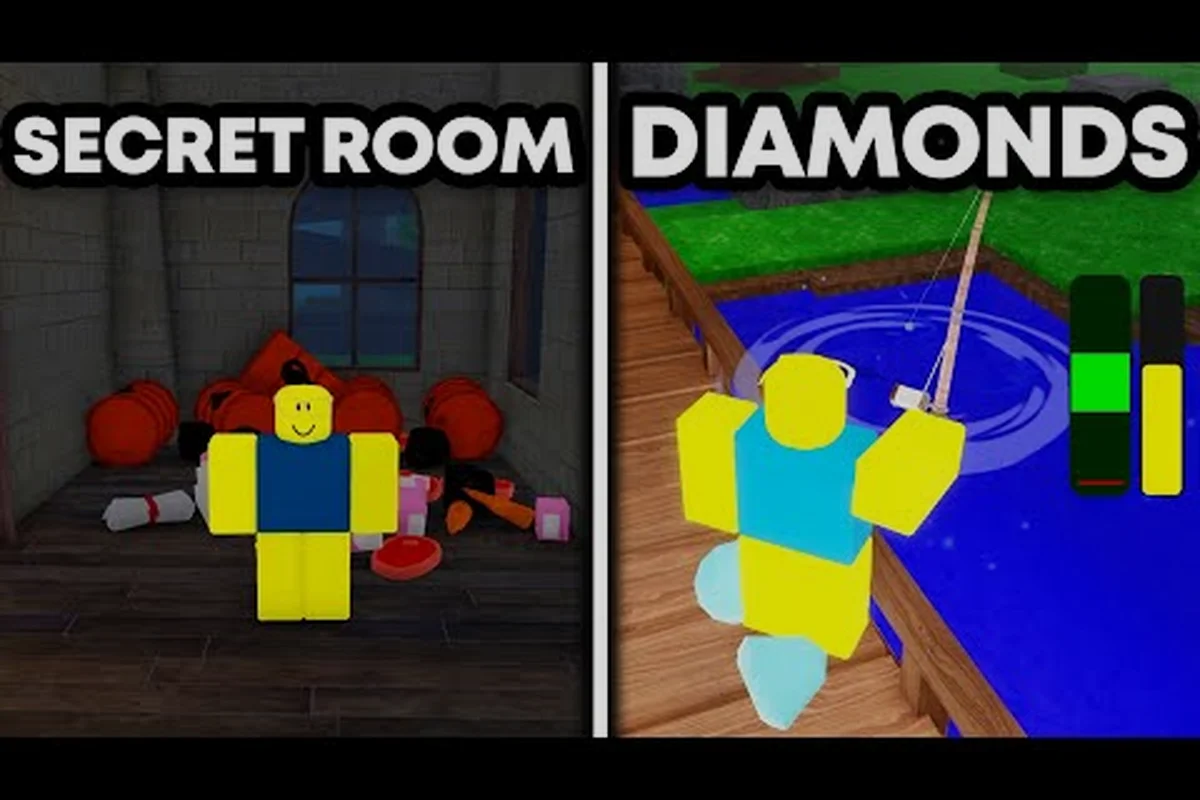
99 Nights in the Forest Early Game Tips: Survive to Day 99
Get field-tested 99 Nights in the Forest early game tips — survival priorities, resource checklists, and proven steps to reach day 99.
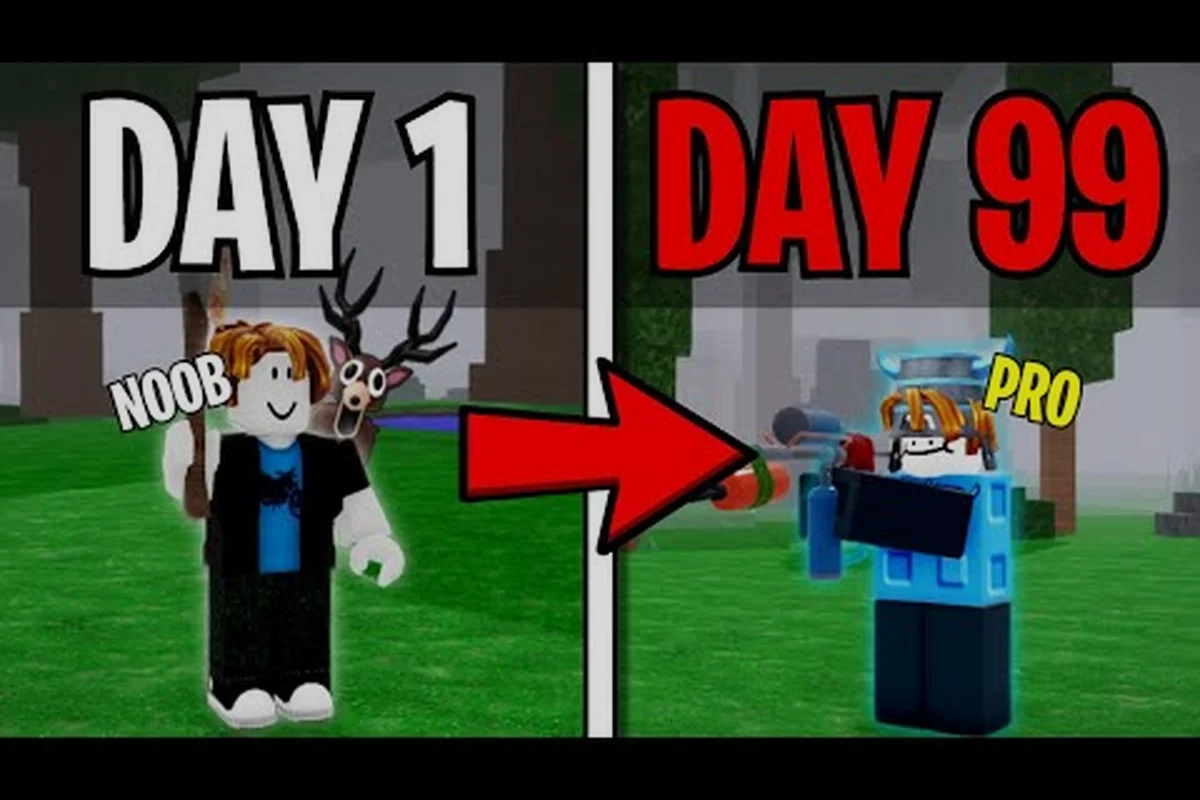
99 Nights in the Forest Healing Guide: Bandages, Medkits, Revives
Master 99 Nights in the Forest healing — craft bandages and medkits, time revives on downed teammates, and outlast the longest nights.
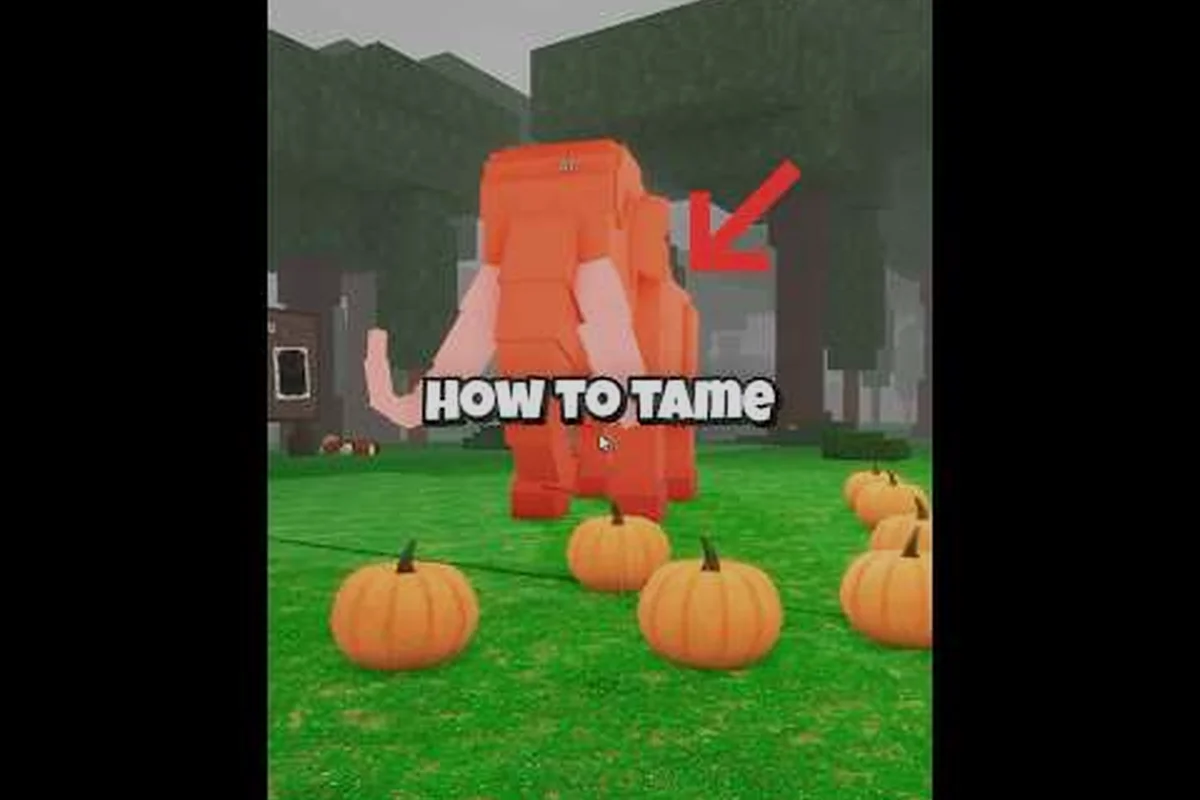
99 Nights in the Forest How to Tame Animals: Taming Flute Guide
Learn 99 Nights in the forest how to tame animals with the Taming Flute — which bait works, the best first pets, and upgrades that grow your pack.

99 Nights in the Forest What to Do Day 1: First Night Plan
Get a clear 99 Nights in the Forest day 1 roadmap covering solo priorities, multiplayer roles, and the steps to survive your first night in the forest.

99 Nights in the Forest Farm Guide: Plant, Cook, Survive
Build a self-sustaining camp with this 99 Nights in the Forest farm guide covering tree planting, Crock Pot recipes, and Lightning Rod placement.